How to Style Vintage Clothing Today: A Comprehensive Guide
Introduction
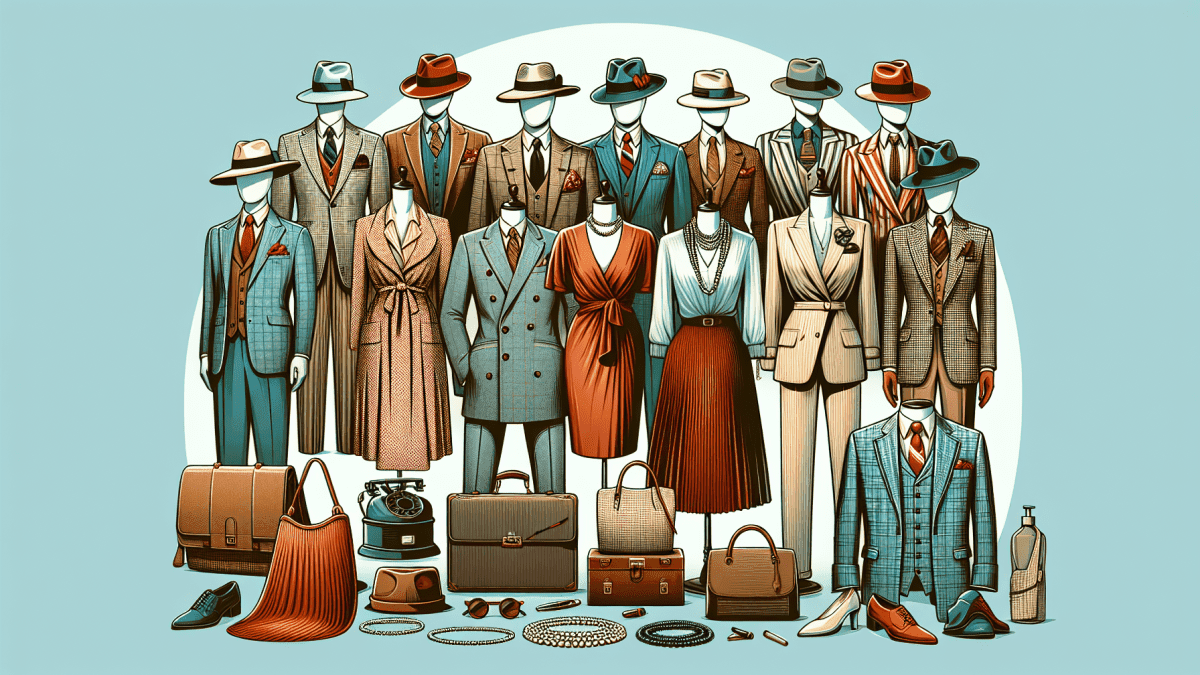
Vintage clothing has made a remarkable comeback in recent years, becoming a staple in the wardrobes of fashion enthusiasts across the United States. With the rise of sustainable fashion and a desire for unique styles, many are turning to vintage pieces to express their individuality. In this guide, we'll explore how to style vintage clothing effectively while embracing modern trends.
The Allure of Vintage Clothing
Vintage clothing refers to garments that are at least 20 years old. Each piece carries a story and a history, offering a distinctive flair that new clothing often lacks. From the vibrant patterns of the 70s to the chic elegance of the 50s, vintage fashion allows for a wide range of styles that can be tailored to modern tastes.
Why Choose Vintage?
- Uniqueness: Stand out with one-of-a-kind pieces that no one else will have.
- Sustainability: Reduce your carbon footprint by choosing pre-loved garments.
- Quality: Many vintage pieces are made with high-quality materials that stand the test of time.
How to Incorporate Vintage Clothing into Your Wardrobe
Styling vintage clothing doesn’t have to be daunting. Here are some tips to seamlessly incorporate vintage pieces into your everyday outfits.
1. Mix and Match
One of the best ways to style vintage clothing is to pair it with modern pieces. For example, a vintage blazer can elevate a simple t-shirt and jeans combo. This juxtaposition not only creates a balanced look but also adds depth to your outfit.
2. Accessorize Smartly
Accessories can make or break an outfit. When styling vintage clothing, consider modern accessories to keep the look fresh. A vintage dress can be paired with sleek, contemporary heels or a minimalist handbag. Shop for stylish accessories at Banggood, where you can find trendy items at unbeatable prices.
3. Play with Layers
Layering is an effective way to style vintage clothing, especially for transitional seasons. A vintage shirt can be layered under a modern oversized sweater or a denim jacket. This not only adds warmth but also creates visual interest.
4. Fit is Key
Make sure that vintage pieces fit well. If a vintage find is slightly oversized or too small, consider taking it to a tailor. A tailored vintage outfit can look polished and intentional, rather than sloppy.
Styling Tips for Specific Vintage Eras
Different eras have their unique characteristics. Here’s a quick guide on how to style clothing from various decades:
1930s-1940s
- Look for high-waisted skirts and dresses with defined waistlines.
- Pair with vintage pumps and classic accessories like pearl necklaces.
1950s
- A-line dresses are perfect for a feminine look.
- Add a fitted cardigan and kitten heels for a polished finish.
1960s-1970s
- Experiment with bold prints and wide-leg trousers.
- Accessorize with oversized sunglasses and statement jewelry.
1980s-1990s
- Opt for oversized blazers and high-waisted jeans.
- Layer with graphic tees and chunky sneakers for a casual vibe.
Where to Find Vintage Clothing
Finding authentic vintage clothing can be an adventure. Here are some popular places to hunt for your next vintage treasure:
- Thrift Stores: Local thrift shops often have a rotating selection of vintage clothing.
- Online Marketplaces: Websites like Etsy and Depop are filled with independent sellers offering vintage fashion.
- Specialty Vintage Shops: Many cities have dedicated vintage boutiques that offer curated selections.
Conclusion
Styling vintage clothing today is all about mixing the old with the new, allowing your personality to shine through. With the right techniques, you can create a wardrobe that is not only unique but also reflects your personal style. Embrace the charm of vintage fashion while making it your own. Don’t forget to check out Banggood for affordable vintage-inspired accessories and clothing to elevate your style!
Related Articles
Explore more articles you might like